 Hair AI Salon
A pixie suits far more people than its reputation suggests. What decides it isn't face shape alone but where the length sits: longer, side-swept pixies and bixies soften round and square faces, while short, cropped pixies show off the cheekbones of oval and heart-shaped faces. Because a pixie takes a year or more to grow back to your shoulders, preview it on your own photo before you cut.
The riskiest chop — and the most rewarding
No haircut changes your face more than a pixie. With nothing framing it, your eyes, cheekbones and jaw become the whole story — which is exactly why people who suit a pixie love it, and why people who don't regret it for a very long time. Hair grows roughly a centimetre a month, so there's no quick way back. The only sensible order is: see it on your face first, then book the appointment.
Which pixie suits which face
 Classic Pixie — short at the back and sides with a little length on top. Best on oval and heart faces with defined cheekbones.
 Textured Pixie — piecey and lived-in, with movement on top. Great on fine hair, because texture reads as volume.
 Bixie Cut — the pixie-bob hybrid: longer, shaggier and around ear length. The safest way to try short hair, and the easiest to grow out.
 Side-Swept Pixie — a long, diagonal fringe that breaks up width. The most flattering pixie for round and square faces.
 Pixie with Side Bangs — softer again, with bangs that skim the brow. Good for longer faces and higher foreheads.
 Cropped Pixie — very short all over. A statement cut for oval faces, strong features and anyone who wants zero styling time.
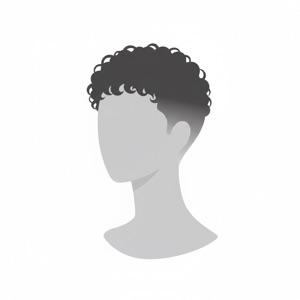 Curly Pixie — cut dry to the curl pattern so each curl sits where it falls. Keeps curls defined without the weight.
 Asymmetric Pixie — longer on one side. Adds an edge and draws the eye diagonally, which slims a wider face.
Your hair type matters as much as your face
Fine hair usually looks thicker in a pixie, because the weight that was pulling it flat is gone. Thick hair can look helmet-like unless your stylist removes bulk from the sides and back. Curly and coily hair needs a stylist who cuts curls dry. And cowlicks at the crown or hairline decide where a short cut can and can't go, so mention them before the first snip.
The maintenance nobody mentions
A pixie looks sharp for about four to six weeks, then starts to lose its shape around the ears and neck. Budget for regular trims. The upside is almost no styling: a little texture paste, and you're done in two minutes.
See it on your own face first
Upload a selfie and Hair AI puts a classic pixie, bixie, side-swept or curly pixie on your own face in seconds. Try the short and the longer versions side by side — the difference between a pixie that suits you and one that doesn't is usually obvious at a glance.
Frequently asked questions
Would a pixie cut suit a round face?
Yes, with the right version. Choose a pixie with height at the crown and a long side-swept fringe, which draw the eye vertically and break up width. Avoid very rounded, even-length pixies that add fullness at cheek level.
What is the difference between a pixie and a bixie?
A bixie is a pixie-bob hybrid: longer and shaggier, usually around ear length, with more hair around the face. It's less of a commitment than a true pixie and grows out far more gracefully.
How long does it take to grow out a pixie cut?
Roughly six months to reach a short bob and 12–24 months to reach your shoulders. Regular trims to the back and sides while the top grows keep it looking intentional through the in-between stages.