 Hair AI Salon
You can see yourself with grey hair before committing to the transition by applying silver, salt-and-pepper or ash-grey to your own photo. Grey flatters most people when the cut has movement and the shade matches your undertone — cool skin suits silver and true grey, warm skin suits softer pewter and salt-and-pepper — and previewing it is the honest way to decide between growing it out, blending it, or continuing to colour.
The decision, not just the colour
Going grey isn't really a colour choice — it's a decision about a transition that takes months, and about how you want to look at this stage of your life. Silver went from something to hide to a deliberate, expensive-looking statement, but the awkward middle — a band of grey roots above coloured lengths — is what stops most people. Seeing the destination first makes the middle much easier to tolerate.
Your three real options
- Grow it out — free, and the fastest route to the finish line, but 6–18 months of visible demarcation depending on your length.
- Grey blending — a colourist weaves highlights and lowlights through the incoming silver so there's no hard line. More appointments up front, no awkward stage, and the most popular route today.
- Keep colouring — perfectly valid. If you choose it, a slightly lighter and warmer shade than your original usually looks more natural as skin tone softens.
The grey spectrum
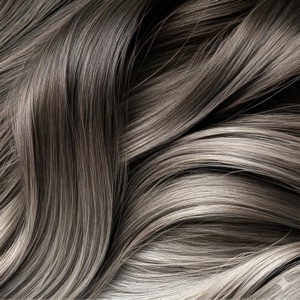
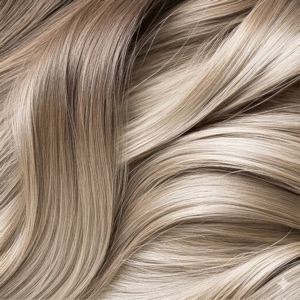
- Salt & Pepper — mixed grey and natural depth; the most natural stage and often the most flattering.
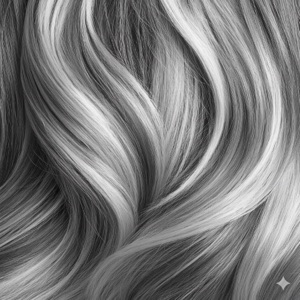
- Silver Grey — uniform, bright silver; striking, and the shade that most rewards a good cut.
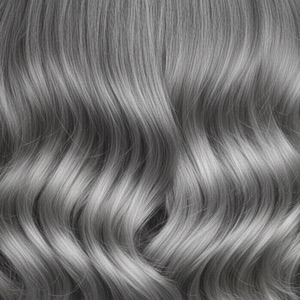
- Ash Grey — cooler and deeper; excellent on cool undertones.
Making grey look intentional, not tired
Three things separate great grey from grey that ages you:
- Shine. Grey hair is coarser and reflects less light. Gloss treatments and silver-brightening shampoo do most of the heavy lifting.
- Shape. Grey needs a cut with movement — a layered lob, a feathered pixie, a soft shag. Flat, one-length grey is what people picture when they resist it. See our guide to hairstyles over 50.
- Contrast elsewhere. As hair lightens, defined brows and a warmer lip keep the face from washing out.
Preview it before you commit to the grow-out
This is the single best use of an AI colour preview. Apply silver, ash grey and salt-and-pepper to your photo and you'll know within a minute whether the destination is one you actually want — before you spend a year getting there.
See it on your own face first
Hair AI's colour changer includes salt & pepper, silver grey and ash grey. Preview yourself fully silver, blended, or still coloured — and make the grey decision with evidence instead of anxiety.
Frequently asked questions
How can I see what I'd look like with grey hair?
Upload a photo to Hair AI and apply silver grey, ash grey or salt-and-pepper. It renders the shade on your own hair and lighting, so you can judge the destination before starting a transition that takes months.
How long does it take to transition to grey hair?
Growing it out fully takes roughly 6–18 months depending on your hair length and how fast it grows. Grey blending — highlights and lowlights woven through the incoming silver — removes the hard line and makes the transition invisible while it happens.
Does grey hair make you look older?
Not on its own — flatness does. Grey with shine, a cut that has movement, and defined brows reads deliberate and modern. Flat, one-length, dull grey is what people actually picture when they say grey is ageing.
What is grey blending?
A colouring technique where a stylist weaves highlights and lowlights through your natural grey so it blends with your coloured hair. It avoids the demarcation line of growing out, at the cost of a few more salon visits early on.